

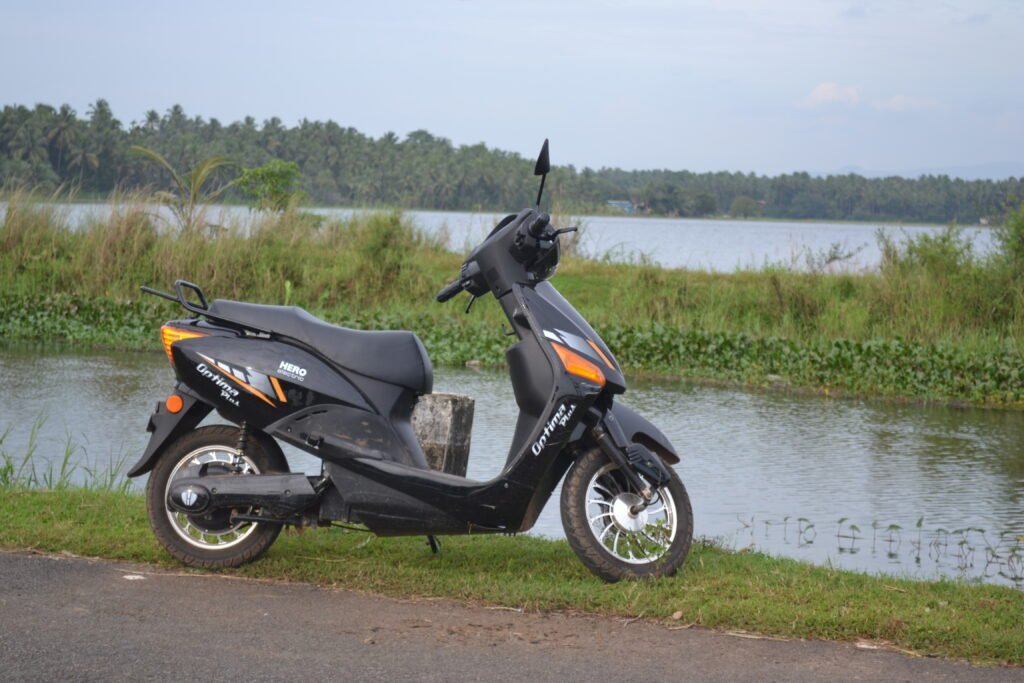
Featured image credit: Image: Viswaprabha via Wikimedia Commons (CC BY-SA 3.0).
India’s electric vehicle subsidy landscape is at a critical turning point. Update: the scheme has since been extended — see our PM E-DRIVE extension coverage for the latest details. The PM E-DRIVE scheme — the successor to the landmark FAME-II programme — is entering its next phase, with the electric two-wheeler incentive hitting its scheduled expiry. Here’s a complete breakdown of what’s changing, what remains, and how it affects your EV purchase decision.
PM E-DRIVE: The Full Picture
PM Electric Drive Revolution in Innovative Vehicle Enhancement (PM E-DRIVE) is the Government of India’s flagship EV incentive scheme with a total outlay of ₹10,900 crore. Launched on October 1, 2024, it replaced FAME-II and runs until March 31, 2028.
What’s Ending vs What Continues
| Vehicle Category | Subsidy Amount | Status | End Date |
|---|---|---|---|
| Electric Two-Wheelers | ₹2,500/kWh (max ₹5,000) | ⚠ Ending | July 31, 2026 |
| E-Rickshaws & E-Carts | ₹2,500/kWh (max ₹5,000) | ✓ Active | March 2028 |
| Electric Buses | Up to ₹55 lakh/bus | ✓ Active | March 2028 |
| Electric Trucks | Varies by category | ✓ Active | March 2028 |
| E-Ambulances | Special category | ✓ Active | March 2028 |
| Charging Infrastructure | ₹2,000 crore allocation | ✓ Active | March 2028 |
| Electric Cars (4W) | No direct subsidy | — | N/A |
Three Layers of EV Policy Support in 2026
India has the strongest combined EV policy push since FAME-I launched in 2015, with three simultaneous layers of support:
Layer 1: Central Government (PM E-DRIVE)
- Direct demand incentives for 2W, 3W, buses, trucks
- ₹2,000 crore for 22,100 DC fast chargers + 48,400 two/three-wheeler chargers
- Target: 1,800 e-bus chargers by March 2028
Layer 2: GST Advantage (Structural)
- 5% GST on EVs vs 28%+ on ICE vehicles
- 5% GST on EV chargers and charging services
- This 23-point advantage is the single largest fiscal lever — it’s permanent, not time-limited
Layer 3: State-Level Incentives
| State | Key Incentives | Max Benefit |
|---|---|---|
| Delhi | Road tax waiver, registration exemption, new July 2026 EV policy targeting majority EV registrations by 2027 | Up to ₹1.5 lakh |
| Maharashtra | Road tax exemption, registration waiver, early bird incentive | Up to ₹1 lakh |
| Gujarat | Direct subsidy on 2W/4W, road tax waiver | Up to ₹1.5 lakh |
| Tamil Nadu | 100% road tax exemption, manufacturing incentives | Varies |
| Karnataka | Road tax exemption, registration waiver | Up to ₹50,000 |
PM E-DRIVE vs FAME-II: Key Differences
| Parameter | FAME-II | PM E-DRIVE |
|---|---|---|
| Total Outlay | ₹10,000 crore | ₹10,900 crore |
| Duration | 2019–Sept 2024 | Oct 2024–March 2028 |
| Electric Cars | Included | Not included |
| Charging Infrastructure | Limited allocation | ₹2,000 crore dedicated |
| E-Buses | Covered | Enhanced coverage + e-trucks added |
| Vehicles Supported | 16 lakh+ under FAME-II | Ongoing |
Timeline: India’s EV Policy Evolution
2015 — FAME-I Launched
India’s first EV incentive scheme with ₹895 crore outlay
2019 — FAME-II Launched
₹10,000 crore scheme; 16 lakh+ EVs subsidized
Sept 2024 — FAME-II Ends
Scheme expired after multiple extensions
Oct 2024 — PM E-DRIVE Launched
₹10,900 crore successor scheme; electric cars excluded
July 1, 2026 — Delhi EV Policy
Delhi adopts aggressive EV-first registration policy
July 31, 2026 — 2W Subsidy Expires
Electric two-wheeler incentive scheduled to end
March 2028 — PM E-DRIVE Ends
Full scheme expiry (3W, bus, truck subsidies end)
What Should Buyers Do Now?
If You’re Buying an Electric Two-Wheeler
Act before July 31, 2026. The ₹5,000 subsidy may seem small, but combined with state incentives, the total benefit can reach ₹10,000-₹25,000 depending on your state. After the deadline, only the GST advantage and state incentives remain.
If You’re Buying an Electric Car
There’s no urgency tied to PM E-DRIVE since cars aren’t covered. Focus on the 5% GST advantage (permanent) and state-level benefits. Delhi, Gujarat, and Maharashtra offer the best combined incentives for electric car buyers.
If You’re a Fleet Operator
E-rickshaw and commercial vehicle subsidies continue until March 2028. This is the window to electrify your fleet with government support. Fleet operators in Delhi and Mumbai are already accelerating purchases. Fleet buyers should also track the EV motor localisation deadline, which affects component sourcing for commercial electric vehicles.
Frequently Asked Questions
Is the PM E-DRIVE subsidy ending?
The electric two-wheeler incentive under PM E-DRIVE is scheduled to end on July 31, 2026. However, e-rickshaw and e-cart subsidies continue until March 2028, along with bus and truck incentives. The overall scheme runs until March 31, 2028.
How much subsidy do you get on electric vehicles in India in 2026?
Under PM E-DRIVE: ₹2,500 per kWh of battery capacity, capped at ₹5,000 per vehicle for two-wheelers and three-wheelers. Electric cars don’t receive direct PM E-DRIVE subsidies but benefit from 5% GST vs 28% for petrol cars. State-level subsidies range from ₹5,000 to ₹1.5 lakh depending on the state and vehicle type.
What is the difference between FAME and PM E-DRIVE?
PM E-DRIVE replaced FAME-II in October 2024 with a larger ₹10,900 crore outlay. Key differences: PM E-DRIVE excludes electric cars (FAME-II included them), adds dedicated charging infrastructure funding (₹2,000 crore), and includes electric trucks and ambulances as new categories.
Which states offer the best EV subsidies in India?
Delhi, Gujarat, and Maharashtra offer the most generous combined incentives — up to ₹1.5 lakh including road tax waivers, registration exemptions, and direct subsidies. Delhi’s new July 2026 policy is the most aggressive, targeting majority-EV new registrations by 2027.
How do I actually claim the PM E-DRIVE subsidy when buying a two-wheeler?
You do not file for reimbursement afterward — the subsidy is applied as an instant discount at the dealership. You link your Aadhaar-registered mobile number, complete e-KYC, and the dealer generates an e-voucher that reduces the on-road price on the spot, so there is no separate claim form or waiting period.
Does every electric two-wheeler qualify for the PM E-DRIVE subsidy?
No. Only electric two-wheelers priced up to ₹1.5 lakh (ex-factory) are eligible, and for FY2025-26 the incentive is capped at 15% of the ex-factory price in addition to the ₹5,000 per-vehicle ceiling. The scheme also allows only one subsidised EV per category per individual, and vehicles purchased by central or state government departments are excluded.
Is road tax waived on EVs in every Indian state?
Not entirely. Most states fully exempt EVs from road tax, but Kerala and Gujarat still charge 50% of the standard road tax and Uttar Pradesh charges 70%. Registration fees, however, are waived nationwide for all battery-powered vehicles under a Ministry of Road Transport and Highways order, regardless of state.
Calculate your total EV savings with our Subsidy Calculator → evautoindia.co.in/tools
Related Reading