

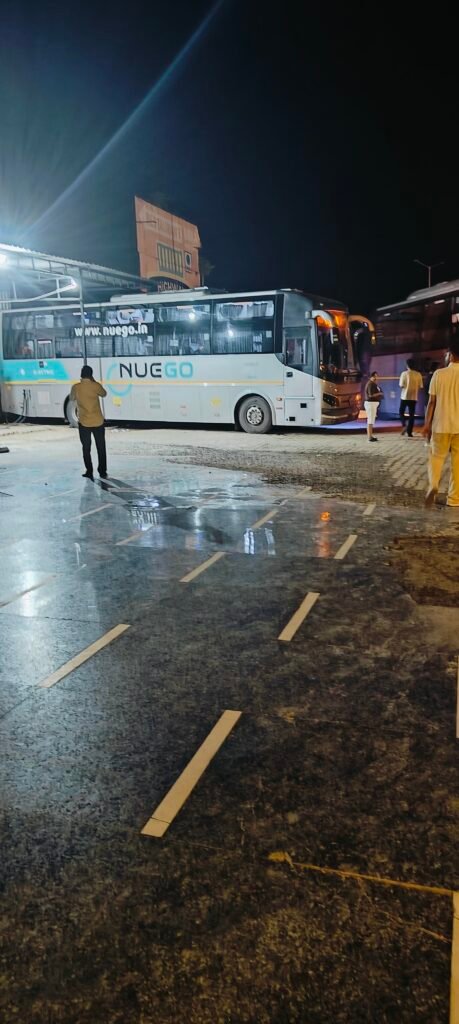
Featured image credit: Image: Mukesh.kfc via Wikimedia Commons (CC BY-SA 4.0). Source
By Piyush P. Yadav | September 2, 2026
Just weeks after India’s EV industry braced for the end of central subsidies, the Ministry of Heavy Industries reversed course. On August 11, 2026, the government extended the PM E-DRIVE scheme by two years to March 31, 2028 and raised its total outlay from Rs 10,900 crore to Rs 11,900 crore. The catch: the electric two-wheeler incentive has been halved to a maximum of Rs 5,000 per vehicle. Add Delhi’s new EV Policy 2026, which took effect on July 1, and September 1’s traction-motor localisation deadline, and the policy landscape for EV buyers and manufacturers looks very different from two months ago. This guide explains every change and what it means in rupees.
PM E-DRIVE: What Changed on August 11, 2026
PM E-DRIVE (Prime Minister’s Electric Drive Revolution in Innovative Vehicle Enhancement) was notified on September 29, 2024 with a Rs 10,900 crore outlay and was originally due to end on March 31, 2026, with two-wheeler support widely expected to lapse mid-2026. Our earlier report on the July 31 subsidy deadline captured the uncertainty at the time. The August 11 revision resolves it.
| Parameter | Before (2024 notification) | After (August 11, 2026 revision) |
|---|---|---|
| Scheme end date | March 31, 2026 | March 31, 2028 |
| Total outlay | Rs 10,900 crore | Rs 11,900 crore |
| E-2W incentive rate | Rs 5,000 per kWh | Rs 2,500 per kWh |
| E-2W incentive cap | Rs 10,000 per vehicle | Rs 5,000 per vehicle |
| Alternative cap | 15% of ex-factory price, whichever lower | 15% of ex-factory price, whichever lower |
| E-2W price ceiling | Rs 1.5 lakh ex-factory | Rs 1.5 lakh ex-factory |
| E-2W allocation | — | Rs 2,767 crore for up to 45,79,120 vehicles |
| E-2W eligibility window | — | April 1, 2025 to March 31, 2028 |
| Last date for claims | — | December 31, 2027 |
| Public charging allocation | Rs 2,000 crore | Rs 2,000 crore |
| Administrative expenses | — | Rs 55 crore (fungible across sub-heads) |
Key points buyers should understand
- The scheme is fund-limited. Total payouts are capped at Rs 11,900 crore. If any component’s allocation is exhausted before March 31, 2028, that component closes and no further claims are entertained. The L5 electric three-wheeler component, for example, was already closed on December 26, 2025.
- The e-2W subsidy is now modest. A 2.5 kWh scooter such as the Bajaj Chetak C2501 gets Rs 5,000 (the cap), not Rs 6,250. A 2.1 kWh Ather Konarc S 100 gets Rs 5,000 (2.1 × 2,500 = 5,250, capped). Effectively every scooter above 2 kWh receives the same Rs 5,000.
- The Rs 1.5 lakh ex-factory ceiling matters. Premium scooters such as the Ather 450X (Rs 1.51 lakh ex-showroom) and Chetak C3501 flagship sit near or above the limit and may not qualify — ex-factory price is lower than ex-showroom, so check with the dealer.
The practical effect is stability rather than generosity: manufacturers can plan pricing to March 2028 without fearing a subsidy cliff, and buyers get a small but certain discount. The Rs 2,000 crore for public charging is also secure through 2028.
Delhi EV Policy 2026: In Force Since July 1
The Delhi Cabinet approved the Delhi EV Policy 2026 on June 29, 2026, and it came into effect on July 1, 2026, valid until March 31, 2030. It replaces the 2020 policy and pivots from flat purchase subsidies to a scrappage-linked model. The government estimates the total benefit, including incentives and infrastructure support, at over Rs 15,000 crore, with an initial Rs 200 crore budget allocation.
| Vehicle type | Purchase incentive | Additional scrappage incentive (BS-IV or older vehicle scrapped) | Road tax and registration fee |
|---|---|---|---|
| Electric two-wheeler | Up to Rs 30,000 | Rs 10,000 | 100% exempt |
| Electric three-wheeler | Up to Rs 50,000 | Rs 25,000 | 100% exempt |
| Electric car (up to Rs 30 lakh ex-showroom) | — | Rs 1 lakh | 100% exempt till March 31, 2030 |
| Electric car above Rs 30 lakh | — | — | No exemption |
| N1 electric goods vehicle | Up to Rs 1 lakh | Up to Rs 50,000 | 100% exempt |
Other provisions
- Two-wheeler electrification mandate: From April 1, 2028, only electric two-wheelers can be registered in Delhi.
- Charging targets: 18,000 charging stations by the end of 2026, and every vehicle dealership must install at least one public charging point.
- The Rs 30 lakh cap means the Mahindra XEV 9e top variants, the BYD Sealion 7, Kia EV6 and every luxury EV pay full road tax in Delhi. Under BaaS pricing (XEV 9S from Rs 12.65 lakh, XEV 9e from Rs 13.90 lakh), Mahindra’s SUVs fall well below the threshold — although the exemption is assessed on the vehicle’s ex-showroom value, so buyers should confirm with the RTO how BaaS invoices are treated.
The State Patchwork: Who Still Waives Road Tax?
Delhi’s continued exemption contrasts with Karnataka, which ended its EV road-tax waiver earlier this year — a change we covered in detail in our state-by-state road tax guide. The direction of travel is clear: states are moving from blanket exemptions to targeted ones (price caps in Delhi, scrappage links) as EV volumes grow and revenue losses mount. With electric cars now at 7% of registrations and two-wheelers near 9%, the fiscal cost of exemptions is no longer trivial.
September 1: Traction Motor Localisation Takes Effect
The third policy shift is on the manufacturing side. From September 1, 2026, electric buses (M2/M3) and electric trucks (N2/N3) must use traction motors assembled in India — including magnet fitment, rotor and stator assembly, shaft, bearings, enclosure, connectors and cables — to qualify for PM E-DRIVE benefits. The deadline had been pushed twice (from September 1, 2025 to March 2026, then to August 31, 2026) because of China’s export controls on rare-earth magnets. SIAM asked on July 22 for a further extension to April 1, 2027, but no approval had been announced as the deadline arrived.
This does not affect what consumers can buy; it affects which vehicles attract subsidies. But it signals that the government intends to use PM E-DRIVE’s extra two years to force supply-chain localisation, not just to fund demand.
What It Means for You
| If you are… | What changed | Action |
|---|---|---|
| Buying an e-scooter under Rs 1.5 lakh anywhere in India | Rs 5,000 central incentive is assured until March 2028 (or until funds run out) | No need to rush; confirm the dealer passes on the incentive |
| Buying an e-scooter in Delhi | Up to Rs 30,000 state incentive plus Rs 10,000 if scrapping a BS-IV or older vehicle | Check whether an old family two-wheeler can be scrapped |
| Buying an electric car in Delhi under Rs 30 lakh | Zero road tax and registration till March 2030; Rs 1 lakh scrappage bonus | Scrapping an old BS-IV car effectively cuts the price by Rs 1 lakh plus tax savings |
| Buying an EV above Rs 30 lakh in Delhi | Full road tax now applies | Compare with neighbouring NCR states before registering |
| Running an e-bus or e-truck fleet | OEMs must localise motors to claim subsidies | Expect delivery timelines and pricing to be renegotiated in Q3 |
Related Reading
- No Extension, No Clarity: What Happens Now That the EV Motor Localisation Deadline Has Passed
- September 1 Localisation Deadline Hits E-Bus and E-Truck Makers
- India Imports 100% of Its EV Motor Magnets: The Rs 7,280 Crore Rare Earth Plan
- Ather Konarc at Rs 99,999, Simple Wave Launch and August 2026 E-Scooter Sales
Frequently Asked Questions
Has the PM E-DRIVE scheme been extended?
Yes. On August 11, 2026 the Ministry of Heavy Industries extended PM E-DRIVE by two years to March 31, 2028 and raised the outlay to Rs 11,900 crore. The last date for submitting claims is December 31, 2027.
How much subsidy does an electric scooter get under PM E-DRIVE now?
Rs 2,500 per kWh of battery, capped at Rs 5,000 per vehicle or 15% of the ex-factory price, whichever is lower. Only two-wheelers with an ex-factory price up to Rs 1.5 lakh qualify. The earlier cap was Rs 10,000.
Is road tax exempt on electric cars in Delhi?
Under the Delhi EV Policy 2026, electric cars priced up to Rs 30 lakh ex-showroom get 100% exemption from road tax and registration fees until March 31, 2030. Cars above Rs 30 lakh pay full road tax. Scrapping a BS-IV or older car for an EV adds a Rs 1 lakh incentive.
Will petrol two-wheelers be banned in Delhi?
The Delhi EV Policy 2026 proposes that only electric two-wheelers can be registered in Delhi from April 1, 2028. Existing petrol two-wheelers are not affected; the rule applies to new registrations.
How do I actually claim the PM E-DRIVE subsidy when buying an electric scooter?
You do not apply separately or wait for a refund. At the dealership, an Aadhaar-based e-KYC with face authentication is run through the PM E-DRIVE portal, which generates an e-voucher; a download link is sent to your registered mobile number. You sign the e-voucher, the dealer uploads it, and the subsidy is deducted from your invoice at the time of purchase. The scheme permits one subsidised vehicle per Aadhaar, and the model must be listed on the PM E-DRIVE portal with an advanced-chemistry battery — lead-acid vehicles do not qualify.
Does PM E-DRIVE give any subsidy on electric cars?
No. Privately owned electric cars are deliberately excluded from PM E-DRIVE’s demand incentives, which cover electric two-wheelers, three-wheelers, e-ambulances, e-trucks and e-buses, plus charging infrastructure. Electric car buyers depend on state-level benefits instead, such as the Delhi EV Policy 2026’s road tax and registration-fee waiver, rather than any central purchase subsidy.
Do electric trucks need a scrapping certificate to get the PM E-DRIVE subsidy?
Yes. E-truck incentives under PM E-DRIVE are conditional on the buyer furnishing a scrapping certificate for an old vehicle, issued by a MoRTH-authorised Registered Vehicle Scrapping Facility. No such condition applies to electric two-wheelers or three-wheelers, where eligibility turns on the battery-capacity-linked subsidy rate and the ex-factory price cap.