

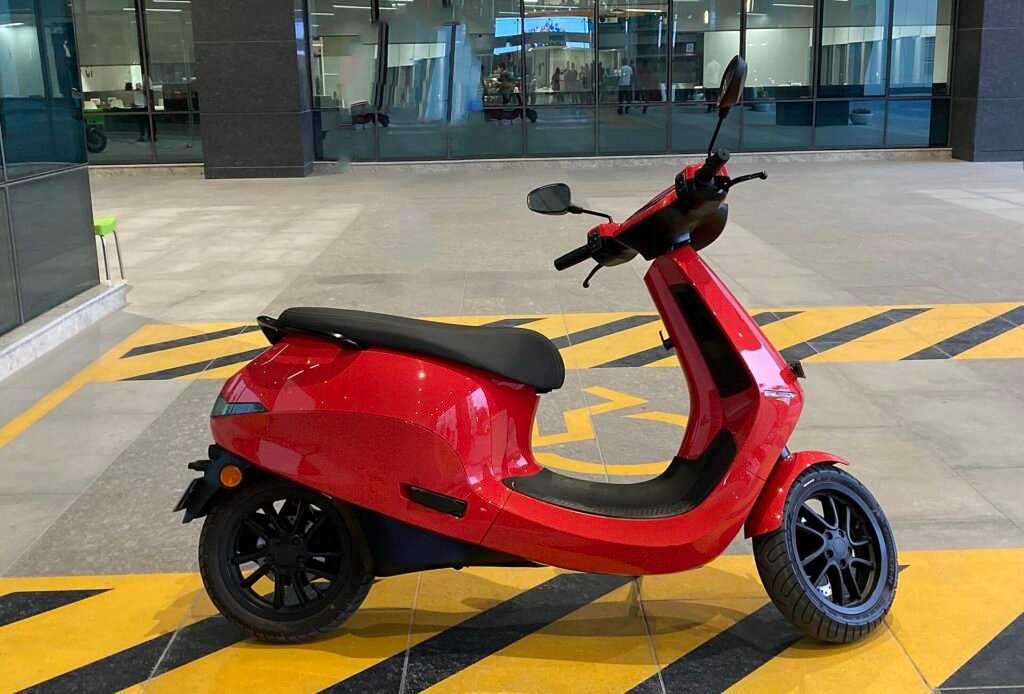
Featured image credit: Image: SnapMeUp via Wikimedia Commons (CC BY-SA 4.0). Source
By Piyush P. Yadav
The battery is the single most expensive part of an electric scooter, and the warranty on it is the single most important line in the brochure. Yet the way brands advertise battery cover has become confusing: “8 years” from one company is a paid add-on, “5 years” from another is standard, and “unlimited kilometres” from a third quietly comes with a three-year cap. This guide lays out, brand by brand, what Indian electric scooter makers actually promise on the battery in 2026, what the 70 per cent state-of-health clause means for you, what voids a claim, and which plans are worth paying for.
Why the battery warranty matters more than the scooter warranty
A replacement pack on a mainstream electric scooter costs anywhere from Rs 35,000 to over Rs 1 lakh depending on capacity, which can be 40 to 60 per cent of the vehicle’s price after four or five years. We covered these bills in detail in our piece on electric scooter running costs and the battery replacement bill nobody mentions. A warranty that runs out in year three leaves the owner exposed for exactly the period when degradation starts to show. The difference between a 3-year and an 8-year plan can therefore be worth more than the entire price difference between two rival scooters.
Brand-by-brand battery warranty, September 2026
| Brand | Standard battery warranty | Extended option | State-of-health threshold | Transferable? |
|---|---|---|---|---|
| Ola Electric (S1 range) | 8 years / 80,000 km, included | 8 years / 1,00,000 km or 1,25,000 km, paid (Rs 14,999 plus GST for the top plan) | 70 per cent, certified only after 10,000 km | Yes, with documentation |
| Ather Energy | 3 years / 30,000 km base; 5 years / 60,000 km with Pro Pack | Eight70: 8 years / 80,000 km, about Rs 4,999 | 70 per cent under Pro Pack and Eight70, no claim cap | Not officially stated |
| TVS iQube | 3 years / 30,000 to 50,000 km by variant | Plus 2 years / 20,000 km, roughly Rs 4,499 to Rs 15,000 by plan | Not published | Not officially stated |
| Bajaj Chetak | 3 years / 50,000 km | Plus 1 to 2 years / 10,000 to 20,000 km, total up to 5 years / 70,000 km | Not published | Not officially stated |
| Hero Vida | 5 years / 50,000 km | Extended to 5 years / 60,000 km or 5 years / 75,000 km | 70 per cent under extended plan | Yes, with documentation |
| Ampere Nexus (LFP) | 5 years / 75,000 km, included | Not announced | Not published | Not officially stated |
| River Indie | 3 years / 30,000 km | Plus Five: 8 years / 80,000 km, Rs 8,399 plus GST | 70 per cent under Plus Five | Not officially stated |
Figures compiled from manufacturer terms as reported by MeraEV (July 2026), BikeDekho and E-Vehicle Info. Terms change with model years and packs, so always confirm the exact wording on the warranty card for the specific variant and battery you are buying.
Reading the table: three tiers of cover
Tier 1: 8 years as standard
Ola is the only brand that includes 8 years / 80,000 km on every S1 at no extra cost. That policy was introduced as an industry first and it remains the longest standard cover in the market. The catch is in the certification rule: Ola’s terms say battery health is certified only after the scooter has crossed 10,000 km, which means an early-life degradation complaint may not be assessed against the 70 per cent threshold until you have covered that distance. The newly launched S1Z, which we analysed in our report on TVS overtaking Ola and the Rs 79,999 S1Z, is the first Ola built around the company’s own Bharat Cell, so buyers should check whether the same 8-year terms apply to that pack when deliveries begin.
Tier 2: 5 years standard or via a cheap top-up
Hero Vida and Ampere both give 5 years as standard, with Ampere’s 75,000 km figure on the LFP-based Nexus the most generous distance limit in this tier. Ather’s Pro Pack gets you to 5 years / 60,000 km, and its Eight70 plan takes that to 8 years / 80,000 km for around Rs 4,999, which is by some distance the cheapest route to 8-year cover. If you are choosing between an Ather Konarc and a Chetak or S1 Pro, the Eight70 plan effectively closes the warranty gap with Ola for less than the cost of a service visit.
Tier 3: 3 years standard, extensions cost more
TVS and Bajaj, the two biggest sellers by volume, still start at 3 years. Both offer extensions, but the total reachable cover tops out at 5 years and the pricing of TVS’s plans varies widely by variant. For a buyer who intends to keep the scooter for six or seven years, this is the tier where the numbers deserve the most scrutiny.
What the 70 per cent state-of-health clause actually means
Most modern plans do not promise the battery will keep its original range. They promise that if usable capacity falls below 70 per cent of the original rating within the warranty window, the brand will repair or replace the pack. In practice:
- A 3 kWh pack is considered “in warranty” as long as it can still hold about 2.1 kWh. That translates to roughly a 30 per cent drop in range before you can claim.
- State of health is measured by the brand’s own diagnostic tool at an authorised service centre, not by the range display on the dash.
- Some brands, Ola included, only certify state of health after a minimum distance has been covered.
- Replacement may be with a new or a certified refurbished pack, depending on the terms.
Our explainer on EV battery degradation and what the real-world data shows goes deeper into how state of health is measured, but the short version is that a healthy lithium pack under Indian conditions rarely falls below 70 per cent inside five years unless it is abused. That is why brands can afford long headline periods. The clause protects you against a genuinely defective pack, not against normal ageing.
What voids an electric scooter battery warranty
Warranty rejections are common enough that it is worth knowing the standard exclusions before you sign. Across brands, the following typically void or restrict battery cover:
| Exclusion | Why brands apply it | How to stay covered |
|---|---|---|
| Non-approved chargers | Unregulated current damages cells and the BMS | Use only the supplied or brand-certified charger |
| Repairs at unauthorised workshops | Pack seals and firmware can be compromised | Keep all service at authorised centres, retain job cards |
| Physical damage or accident | Impact damage is an insurance matter | Claim through insurance first, then warranty for consequential faults |
| Water ingress beyond IP rating | Submersion exceeds design limits | Avoid deep waterlogging; do not pressure-wash the battery bay |
| Extended deep discharge | Leaving a pack at 0 per cent for weeks damages cells | Keep charge above 20 per cent if parking for long periods |
| Skipped scheduled services | Firmware and BMS checks happen at service | Follow the service schedule even if the scooter feels fine |
| Battery tampering | Opening the pack breaks safety certification | Never open or modify the pack |
| Voltage spikes from home wiring | Poor earthing damages the charger and BMS | Use a properly earthed socket, ideally a dedicated line |
How to make a battery warranty claim
- Document the symptom. Note the date, odometer reading and what you are seeing: sudden range loss, error codes, a cell-imbalance warning, or a pack that will not charge past a certain level.
- Log the complaint formally. Use the brand app, helpline or website so there is a ticket number. A verbal complaint at the dealership is not a record.
- Get the diagnostic done. The authorised centre will run the state-of-health test and issue a report. Ask for a copy.
- Approval and replacement. If the pack is under the threshold, the brand approves repair or replacement. Confirm whether the replacement is new or refurbished, and whether the warranty clock resets.
- Escalate if refused. Go to the regional service head first, then the National Consumer Helpline. Keep the diagnostic report and all correspondence.
Which plan is worth paying for
The value calculation is straightforward. A battery replacement on a 3 to 4 kWh scooter typically costs Rs 50,000 to Rs 90,000. If an extended plan costs Rs 5,000 to Rs 15,000 and adds three to five years of cover with a 70 per cent threshold, you are paying a small premium for insurance against the single largest failure risk in the vehicle. Ather’s Eight70 at about Rs 4,999 and River’s Plus Five at Rs 8,399 plus GST are the standouts on price. Ola’s top-up to 1,25,000 km at Rs 14,999 plus GST only makes sense for very high-mileage delivery riders, since the standard 80,000 km cover already exceeds what most private owners will ride in eight years.
If you are still deciding which scooter to buy, the launch of the Simple Wave and the current pricing of the Orbiter, Chetak C25 and Rizta are compared in our Simple Wave variant breakdown. Add the warranty tier to that comparison before you settle on a price.
Sources & Further Reading
- MeraEV: Electric scooter battery warranty in India explained (July 2026)
- E-Vehicle Info: Electric scooters offering 8-year battery warranty
- BikeDekho: Premium electric scooters with the longest warranty periods
Frequently Asked Questions
Which electric scooter has the longest battery warranty in India?
Ola Electric offers 8 years or 80,000 km as standard on the S1 range. Ather and River reach the same 8 years / 80,000 km through paid plans, the Eight70 and Plus Five respectively.
What does a 70 per cent state-of-health guarantee mean?
If the battery’s usable capacity, as measured by the brand’s diagnostic tool, drops below 70 per cent of its original rating within the warranty period, the brand will repair or replace the pack. Normal gradual range loss above that threshold is not covered.
Is an extended battery warranty worth buying?
Usually yes if you plan to keep the scooter beyond three years. Plans priced at Rs 5,000 to Rs 10,000 that extend cover to 8 years protect against a replacement bill of Rs 50,000 to Rs 90,000.
Can I transfer the battery warranty when I sell the scooter?
Ola and Hero Vida state that the warranty is transferable with proper documentation. Other brands have not published clear transfer terms, so ask the dealer in writing before buying.